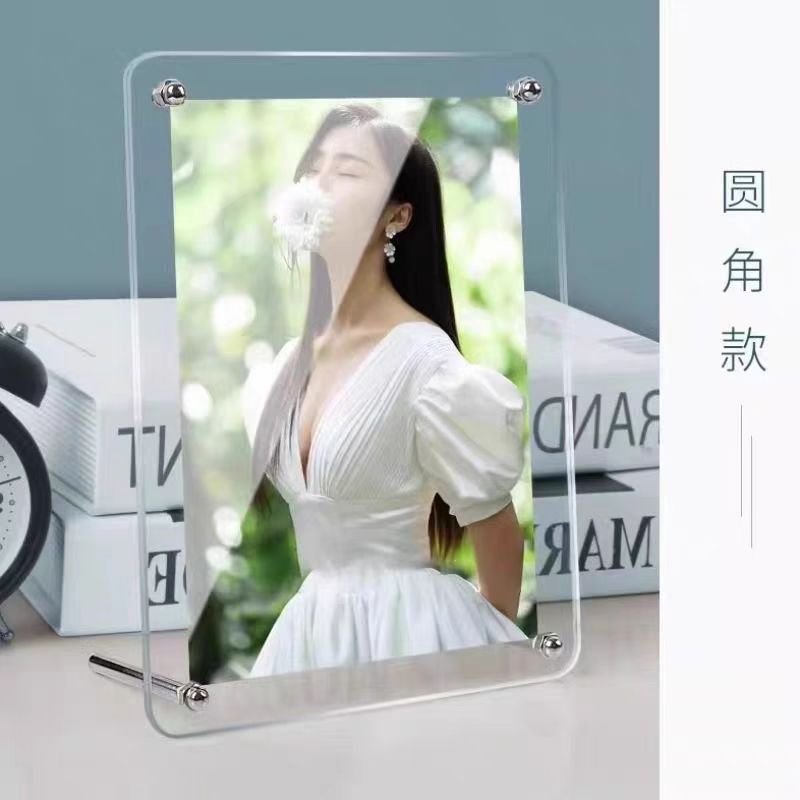
Product Description
Introduction to Acrylic Table Plate Screen Printing
What is acrylic table card silk screen printing?
Acrylic desk sign (also known as table sign or table card) is a desktop identification sign made of PMMA (polymethyl methacrylate) as the substrate, printed with LOGO, text, and patterns on the surface through screen printing (silk screen printing) technology. It combines the high transparency of acrylic with the color expression of silk screen printing, and is currently the most common desktop display solution.
Why choose silk screen printing?
Comparison items: silk screen printing, UV printing, digital printing
Single color is cheap in cost, multi color requires an additional screen fee and is charged by area. Multi color has no additional fees
Strong color expression in solid colors, weak gradient without color change, high scratch resistance accuracy, good gradient
Adhesive curing agent added, scratch resistant, not easy to peel off, easy to scratch, not resistant to high temperature
Applicable scenarios include fixed logos, solid color identification billboards, gradient patterns on liquor and beverage billboards, and any curved boards
Core advantages: simple operation, low unit price, strong ink adhesion, and the ability to print special colors such as gold, silver, and pearl. The initial plate making fee is about 200-300 yuan, and subsequent repeated printing only requires labor costs, making long-term use very cost-effective.
Screen printing process flow
Design vector graphics → Produce a Philin plate (one plate for each color) → Ink adjustment (according to Pantone color code) → Screen printing (using a scraper to brush ink through the screen) → Bake at 60 ° C for 30 minutes (evaporate moisture) → Finished product
Key precautions:
Before silk screen printing, it is necessary to clean the acrylic surface with alcohol or white oil to prevent any dirt or stains
When the ink is not dry after printing, do not touch any debris (including fingerprints), otherwise it will affect the effect
When stacking acrylic sheets, hang them down on both sides to avoid arch deformation and breakage
Check the rules frequently and inspect the samples frequently to prevent offset printing
Common Structure and Craft Combination of Table Cards
Structure type description
Single layer flat screen printing, the simplest, suitable for menus and seat numbers
Double layer slot type acrylic bending and hot pressing molding, with slots inside for interchangeable content, the most common
Back screen printing+baking paint+hot bending. First screen printing, then baking paint, and then hot bending to form the highest grade
Aluminum alloy+acrylic combination frame with aluminum alloy, base with acrylic silk screen printing, not easy to deform and fade (commonly used in court and other scenarios)
Common dimensions: The width is generally within 25cm, with horizontal/vertical plates, and a base or support frame below to ensure verticality.
The advantages of acrylic material itself
Characteristic data/description
Light transmittance of over 92%, close to glass, soft and non glaring light
16 times more impact resistant glass, less prone to breakage in daily use
Temperature resistance range -40 ℃~80 ℃, stable use
Weather resistance: Outdoor for 3-5 years without significant discoloration or yellowing
Texture of "plastic crystal", lighter and more luxurious than metal/wood
Actual application scenarios
Business: Cashier, Hotel Front Desk, Brand Display Desk
Office: workstation sign, conference room door sign, seat sign
Catering: table number plate, menu plate, liquor plate
Government/Judiciary: Court Desk (Aluminum Alloy+Acrylic Paint Screen Printing)
Event: Wedding seat card, party table card (customizable name)